
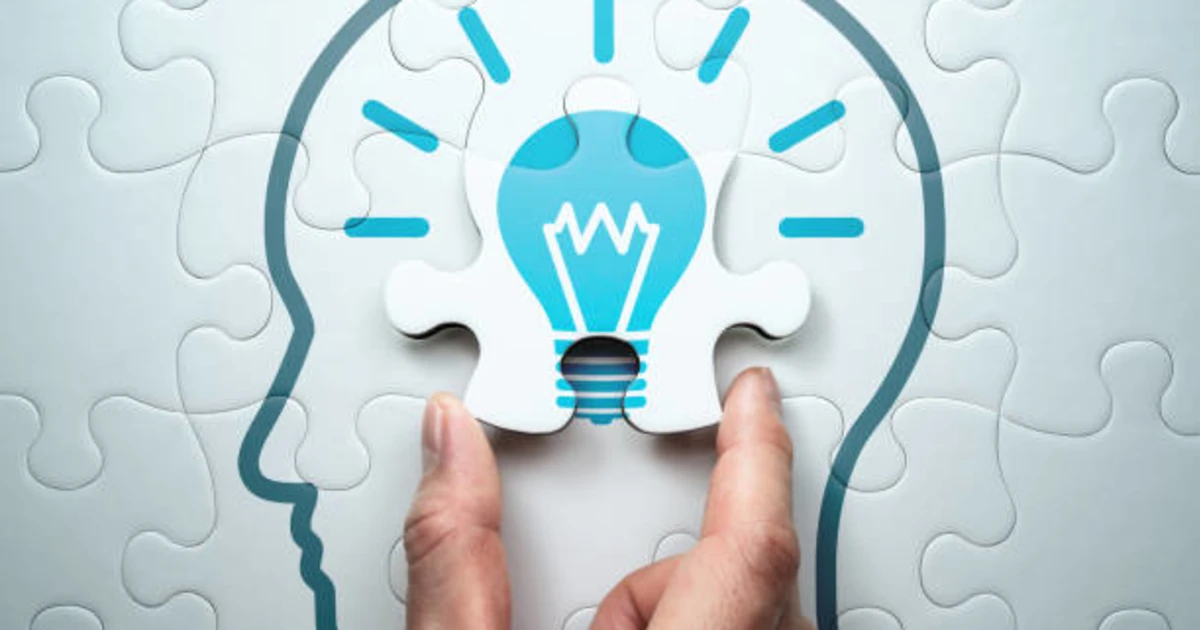
The Psychology Behind Why People Give (It's Not What You Think)
Ask anyone why they donate, and you'll hear noble reasons: "To help others," "To make a difference," "It's the right thing to do." Altruism gets all the credit.
But if you're building a cause based solely on the idea of pure, selfless giving, you're missing the powerful—and often subconscious—engine that actually drives donor behavior. Neuroscience and behavioral psychology reveal that giving is a profoundly self-rewarding act. Understanding this isn't cynical; it's the key to connecting with supporters on a deeper, more human level.
Here’s what’s really happening when someone decides to give.
The Hidden Drivers: It's Not Altruism, It's Emotional Math
People don't give just to solve your problem; they give to solve their own emotional equation. Giving satisfies deep psychological needs they often can't articulate.
1. The "Helper's High": A Chemical Reward
This is the most direct internal reward. Acts of generosity trigger the release of dopamine, oxytocin, and endorphins—the same "feel-good" chemicals associated with eating great food or falling in love. Studies using fMRI scans show that giving activates the brain's mesolimbic pathway, its reward center. In short, giving literally makes people happy. They are, in part, donating to purchase a dose of personal well-being.
Your Takeaway: Don't just show a problem; show the joy of the solution. Share stories and images of people being helped where the emotion—the smile, the relief, the hope—is palpable. Donors are subconsciously buying a share of that positive outcome.
2. Identity Reinforcement: "This Is Who I Am"
People use their choices, including donations, to build and reinforce their self-concept. A donation is a statement: "I am the kind of person who cares about the environment," or "I am a patriot," or "I am a compassionate community member."
Your Takeaway: Frame your cause not as a transaction, but as an identity badge. Create giving tiers with names that resonate with a donor's desired self-image ("Protector," "Innovator," "Guardian"). Thank them for being a visionary, not just for giving money.
3. Social Connection & The "In-Group" Effect
Humans are tribal. Giving is a powerful way to signal belonging to a valued group. This explains why people are vastly more likely to give when asked by a friend, or to support a local community issue they feel part of. It's about strengthening social bonds and aligning with a tribe they admire.
Your Takeaway: Maximize peer-to-peer fundraising and social sharing. Use language of "our community," "join the movement," and "together with supporters like you." Highlight the community of givers, not just the recipient of the gifts.
4. The Urge to Restore Balance (Psychic Dissonance)
When people encounter suffering or injustice that clashes with their view of a fair world, it creates cognitive dissonance—a state of mental discomfort. Giving is a powerful way to reduce that discomfort and restore a sense of balance and agency. It's a way to say, "I am not powerless; I can fix this imbalance."
Your Takeaway: Your messaging should respectfully create this sense of dissonance—show the gap between what is and what should be—and then immediately present the donor's gift as the direct, effective tool to close that gap and restore order.
5. The Desire for Impact & Efficacy
People give when they believe their gift will have a clear, tangible effect. A vague, large-scale problem ("fighting world hunger") can feel too immense for one person to impact, leading to paralysis. The need for efficacy is why "buy a goat" or "send one girl to school" campaigns are so powerful.
Your Takeaway: Practice radical specificity. Use the "Your Gift = This Outcome" formula relentlessly. *"Your $50 provides not 'clean water,' but a durable water filter for Maria's family, ending her 3-hour daily walk to a contaminated pond."*
What This Means for Your Messaging: A Practical Shift
Stop leading with your organization's need. Start leading with the donor's emotional payoff.
| Old, Organization-Centric Ask | New, Psychology-Inspired Ask |
|---|---|
| "We need your help to continue our vital work." | "Experience the Helper's High. Join thousands who feel the joy of knowing they've directly changed a life today." |
| "Donate to support our mission." | "Become a Protector. Stand with a community of dedicated locals who are safeguarding our coastline." |
| "Your donation makes a difference." | "See your impact in action. Your gift of $80 is the exact cost of the backpack and supplies that will give one child confidence on their first day of school." |
The Ethical Imperative
Using psychology is not manipulation. It's understanding. It's respecting your donors enough to communicate in a way that resonates with their deepest human motivations. By aligning your ask with their innate need for reward, identity, connection, and efficacy, you create a more satisfying, sustainable, and honest relationship.
The most successful causes understand this: people don't give to your cause. They give through your cause to meet their own profound human needs. Be the bridge that makes that transaction meaningful for everyone.