
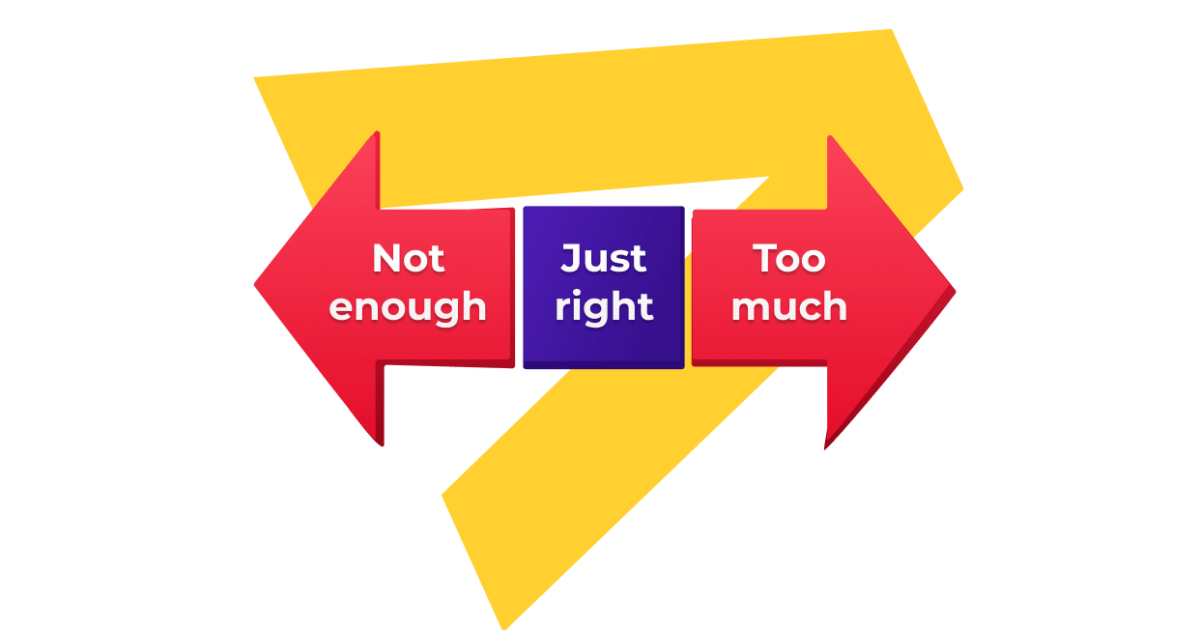
Launching a crowdfunding campaign is equal parts thrilling and terrifying. One of the most critical—and most daunting—decisions you'll make is setting your funding goal. Set it too high, and you risk scaring off potential backers who doubt you'll succeed. Set it too low, and you might not raise enough to deliver, damaging your reputation.
This guide will walk you through the strategic process of setting a realistic, compelling, and backer-friendly funding goal.
Why Your Funding Goal Psychology Matters
Your goal isn't just a number; it's a signal. It communicates credibility, planning, and ambition. A realistic goal builds trust, while an unrealistic one raises red flags. Backers are drawn to campaigns that feel achievable. They want to be part of a success story, not a long-shot gamble.
Step 1: Calculate Your Absolute Minimum (The "Floor")
Start with the bare bones. What is the absolute minimum you need to deliver on your core promise?
-
Itemize Production Costs: Calculate the per-unit cost for your product (or service) including materials, manufacturing, and assembly. Multiply this by the number of units you must produce.
-
Add Fulfillment & Shipping: Don't guess! Get quotes for packaging, postage, and international logistics. This is often the most underestimated cost.
-
Include Platform & Payment Fees: Crowdfunding platforms (like Kickstarter or Indiegogo) take a percentage (typically 5%). Payment processors take another 3-5%. Factor this in.
-
Account for Taxes: Consult an accountant. Funds raised are generally considered income.
The sum of these costs is your non-negotiable minimum. You cannot go below this number.
Step 2: Build in a Buffer (The "Safety Net")
Once you have your floor, add a buffer of 15-25%. Why?
-
Unforeseen Problems: Costs rise, supply chains break, exchange rates fluctuate.
-
Stretch Goals: You'll want room to excite backers with additional features or rewards if you exceed your goal.
-
Contingency Fund: This protects you from personal financial loss.
Step 3: Apply the "Psychology of Achievability" Test
Now, refine your number for maximum appeal.
-
The Power of Momentum: A campaign that funds quickly (in the first 24-48 hours) gains incredible algorithmic and social proof momentum. A goal that's too high kills this chance. Consider a goal you are confident you can reach with your inner circle (family, friends, existing community).
-
Round Numbers vs. Precise Figures: A rounded number (e.g., $20,000) looks clean. However, a precise, justified figure (e.g., $18,750) can look more researched and calculated, breaking the "arbitrary round number" perception.
-
The Tier Breakdown Transparency: In your campaign story, break down your goal. Show a simple pie chart or list: "45% goes to tooling, 30% to production, 15% to shipping, 10% to fees." This transparency justifies your number and builds immense trust.
Step 4: Communicate Your "Why" with Transparency
Your goal isn't a secret. Explain it.
"We've set our goal at $25,000 to cover the production of the first 500 units, secure ethical materials, and handle global shipping. Every dollar above this will go towards our first stretch goal: a new color variant!"
This narrative turns your goal from a target into a shared mission.
Common Pitfalls to Avoid
-
The Ego Goal: Don't set a high goal just to boast about a big number. It will backfire.
-
The "All-or-Nothing" Trap (on Kickstarter): Remember, if you don't hit your goal, you get nothing. Realism is crucial here.
-
Forgetting Post-Campaign Costs: Your work (and costs) only begin when the campaign ends. Plan for customer support, unexpected returns, and long-term storage.
Final Formula for the "Goldilocks Goal"
Absolute Minimum Costs + 20% Buffer = Your Realistic Funding Goal
Set this goal, justify it transparently, and launch with the confidence that you're inviting your backers on a credible, exciting journey to success.
Call to Action: Ready to plan your campaign? Start by writing down your absolute minimum cost breakdown today. Share your target goal with a trusted mentor and ask: "Does this feel achievable and exciting?"